Reliable Cooling for Modern Industries
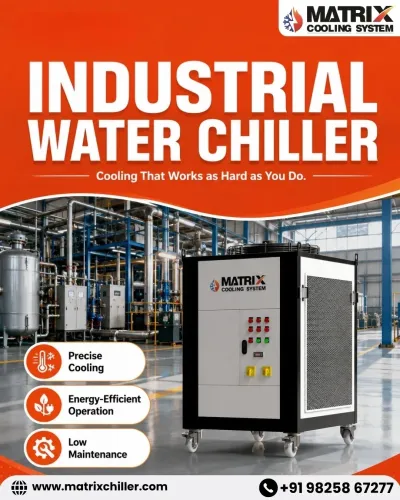
Temperature control is essential in many industrial operations. In manufacturing, chemical processing, pharmaceuticals, food production, plastics, and other temperature-sensitive fields, excess heat can damage equipment, reduce product quality, and cut productivity.
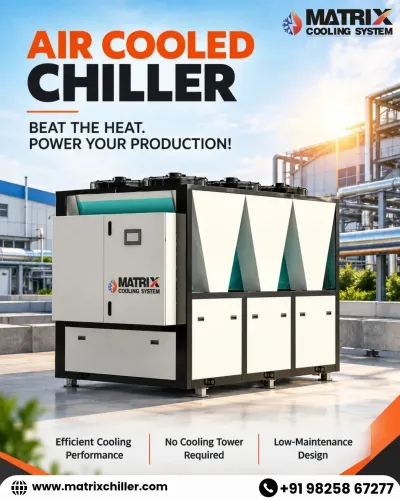
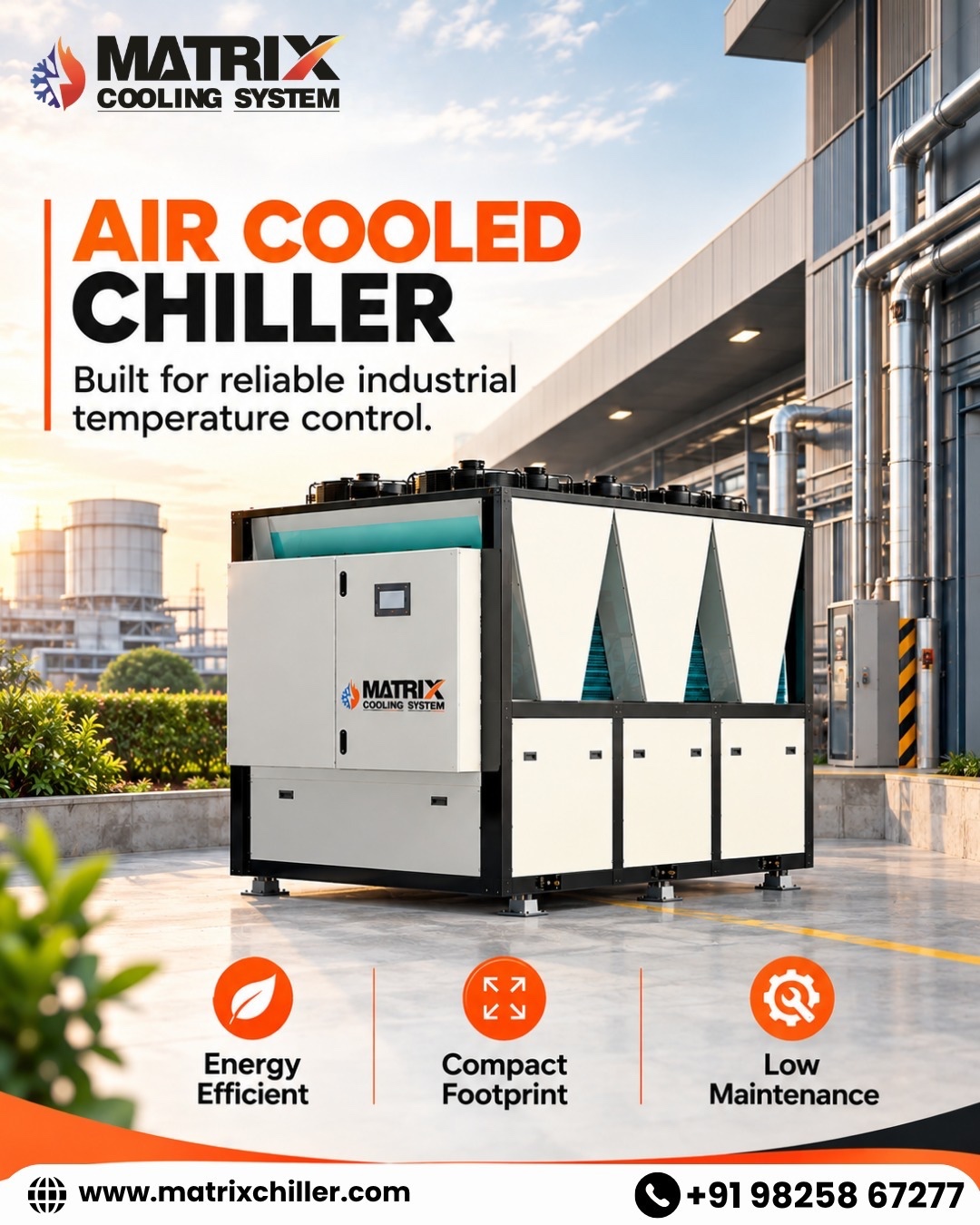
An air-cooled chiller manufacturer in Ahmedabad provides a practical way to remove unwanted heat and maintain the required process temperature. Unlike water-cooled systems that depend on cooling towers and a continuous water supply, air-cooled systems reject heat directly into the surrounding air.
For industries looking for dependable cooling with a practical installation footprint, Matrix Cooling System offers industrial cooling solutions designed around operational requirements.
What Is an Air-Cooled Chiller?
An air-cooled chiller is a refrigeration system that removes heat from a process fluid, typically water or a water-glycol mixture. The cooled fluid circulates through equipment or processes requiring temperature control.
The system typically includes the following major components:
- Compressor
- Condenser
- Evaporator
- Expansion device
- Refrigeration controls
- Fans and heat-rejection components
During operation, the refrigeration cycle transfers heat absorbed from the process and ultimately releases it into the surrounding air.
This makes an air-cooled system particularly useful where water availability, cooling-tower installation, or additional water-treatment requirements may create operational challenges.
Why Industrial Temperature Control Matters
Industrial equipment produces a lot of heat during regular use. If this heat isn’t managed well, it can disrupt production and reduce equipment reliability.
For example, in plastic manufacturing, machinery may require controlled temperatures to maintain process stability. Similarly, temperature-sensitive production environments may need consistent cooling to protect materials and maintain product specifications.
A properly selected Top 5 industrial chiller from India can help maintain a stable cooling environment while supporting continuous operations.
Always determine the exact cooling capacity, operating temperature, fluid flow, and system configuration for your application.
Key Benefits of Air-Cooled Chillers
1. No Cooling Tower Required
One practical advantage of an air-cooled system is that it does not require a separate cooling tower. This can simplify installation and reduce the infrastructure required for heat rejection.
2. Compact Installation
Modern equipment can be designed with a relatively compact footprint, making it suitable for industrial facilities where available floor space needs to be used efficiently.
A compact design can also make equipment placement and plant-layout planning more convenient.
3. Energy-Conscious Operation
Energy consumption is a key consideration for facilities that run cooling equipment for extended periods. Proper system selection, efficient components, suitable controls, and regular maintenance can improve efficiency.
Actual energy performance depends on factors such as ambient temperature, cooling load, set point, operating conditions, and equipment configuration.
4. Lower Water Dependency
Because it rejects heat into the atmosphere rather than through a cooling tower, an air-cooled system does not require cooling-tower water for basic heat rejection. This can help facilities where water consumption is a key consideration.
5. Practical Maintenance
With no cooling tower and associated water-treatment system, certain maintenance requirements can be reduced. However, regular inspection of components such as condenser coils, fans, filters, electrical connections, refrigerant circuits, and controls remains important.
Where Can an Air-Cooled Chiller Be Used?
An air-cooled chiller can support a wide range of commercial and industrial applications. Depending on the required capacity and operating conditions, applications may include:
- Plastic processing
- Pharmaceutical manufacturing
- Food and beverage processing
- Chemical industries
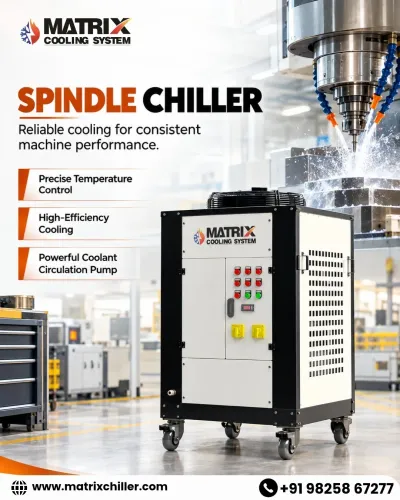
- Industrial machinery cooling
- Process cooling
- HVAC applications
- Manufacturing plants
- Temperature-sensitive production processes
The right solution depends on the process load and required operating parameters, not simply on selecting a chiller based on nominal capacity.
Choosing the Right Chiller for Your Facility
Start by understanding the actual application. Important factors include required cooling capacity, inlet and outlet fluid temperatures, ambient conditions, operating hours, fluid type, flow rate, available installation space, and expected load variation.
Also consider future production requirements. A system properly sized for the current process but unable to accommodate realistic future requirements may create limitations later.
Working with an experienced air-cooled chiller manufacturer can help businesses evaluate these technical requirements before finalizing equipment.
Keep Your Industrial Processes Cool and Consistent
Effective cooling is more than controlling temperature—it supports stable production, protects equipment, and meets process requirements.
An appropriately selected industrial chiller Supplier in Gujarat can become an important part of a facility’s cooling infrastructure. By considering capacity, operating conditions, installation requirements, energy consumption, and maintenance needs, businesses can make a more informed decision about their cooling system.
Frequently Asked Questions
1. What is an air-cooled chiller used for?
An air-cooled chiller removes heat from a process or building cooling system. The chilled fluid can then be circulated to equipment or areas that require controlled temperatures.
2. Does an air-cooled chiller require a cooling tower?
No. An air-cooled chiller rejects heat directly into the surrounding air through its condenser and fans, so it doesn't require a separate cooling tower for heat rejection.
Keywords